The Wage Theory of Game Progression
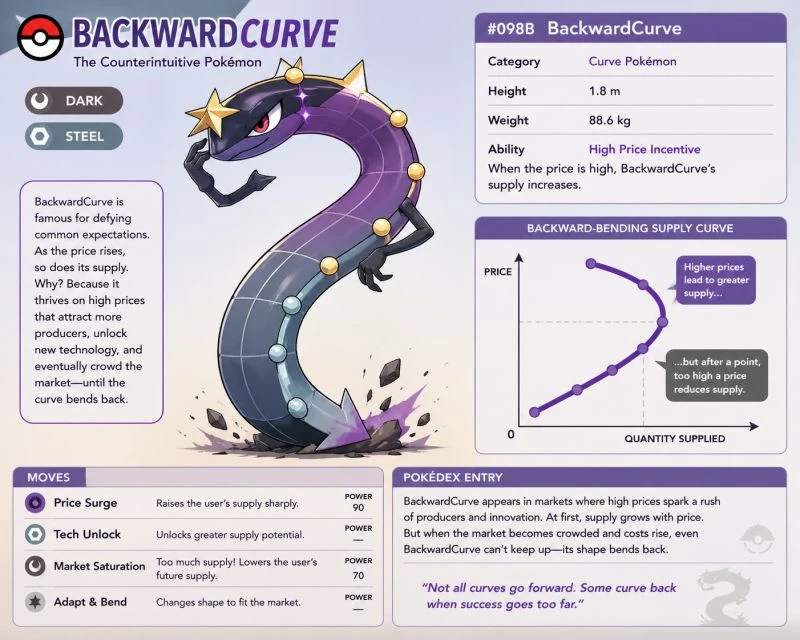
The goal of the game designer is to maximize the return on that wage over a life cycle (i.e., generating new spend or extending the player's current spend trajectory). We also know that unlocking most of the content will increase churn. There's a jump in churn rate as players reach the endgame, so there is a looming cost to pushing players farther down the funnel. The combination of the two results creates a backward-bending labor supply curve. Paying players an unlimited progression amount at the start of the game increases churn, turning the marginal wage into effectively zero (there's no more progression to ration). he player is not rejecting a high wage because they are rich; the game has destroyed the future wage schedule. There is no remaining progression to sell, earn, or ration. On the other hand, giving players only one unit of progression might lead to high churn, as it effectively amounts to zero.
This causes mechanics like Clash Royale's daily chest quantity-limiting system to effectively function as a wage cap. This means that the labor supply drops and shortages emerge, ultimately manifesting as lower engagement. Of course, this makes sense if it rations players in a way that also drives purchases.
The logarithmic wage solutions to progression wage caps make more sense to me than hard caps: diminishing returns; maybe after the 4th box, reward the next box at 10 wins, and the one after that at 30. In some ways, the auxiliary systems already do this: while lucky boxes drop off as a wage, trophies, card achievements, and battle pass remain.
In this same light, a purchase is the difference in payoff between the "free" wage rate free versus the "paid" wage rate. A great example is battle pass, which effectively increases the wage rate per unit hour of progression earned by giving additional rewards. Holding all else constant, the effect of a higher wage is more engagement (up until the backward-bending part!)
It's important to note that many underexamined questions about the game economy concern how much progression comes from which areas of the game; each source of progression pays its own wage per unit of engagement. Should PvP ranked ladder or login rewards trigger more progression? Each affects different audience segments differently, which is why the system's design reinforces the game design intent: higher wages signal what the game rewards engagement with.